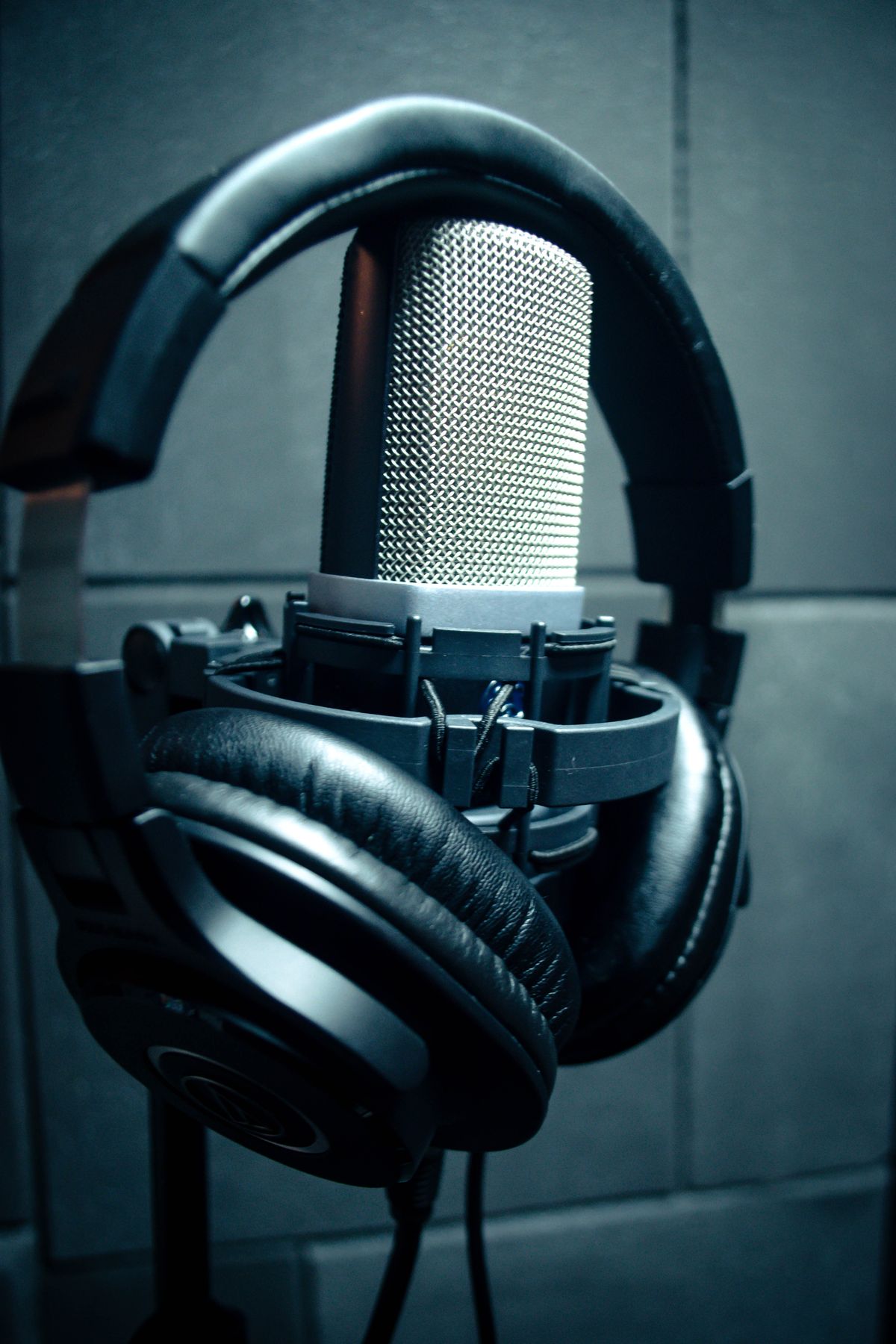
Shopping for podcast gear in 2026 is overwhelming: hundreds of microphones, interfaces with more knobs than a cockpit, and reviews that all say “great for the price.” Here's what our engineers actually recommend, in three tiers.
The bedroom setup (under $150)
A solid USB dynamic microphone, a boom arm, and closed-back headphones you already own. Record in a closet or blanket fort. This setup made the first twenty episodes of two Lanternline shows — listeners never noticed.
The serious home studio (around $500)
Step up to an XLR dynamic mic, a two-channel interface, and basic acoustic panels for the wall behind you. Separate tracks per speaker, vastly better noise rejection, and room to add a second mic when guests visit.
The semi-pro rig (around $1,200)
Broadcast-standard dynamic mics, a four-channel recorder that doubles as a mixer, and proper treatment for a dedicated room. This is the last setup most shows ever need.
Buy the cheapest setup you won't outgrow in six months — then spend everything else on consistency. A $120 mic used weekly beats a $1,200 mic used twice.
The one upgrade that matters most
It's not the mic — it's the room. Fifty dollars of acoustic treatment (or a well-chosen closet) improves your sound more than a microphone five times the price. After that: a boom arm, so handling noise disappears forever.
What we'd skip
- Condenser mics for untreated rooms — they hear everything, including your fridge.
- Mixers with effects built in — record clean, add polish in editing.
- “Podcast bundles” with shock mounts you'll replace within a year.
Or skip the shopping entirely: book an hour in our studio and record on $10,000 of gear with an engineer included.

Marcus Lee
HOST OF “TECH TOMORROW”